Go to the main page content
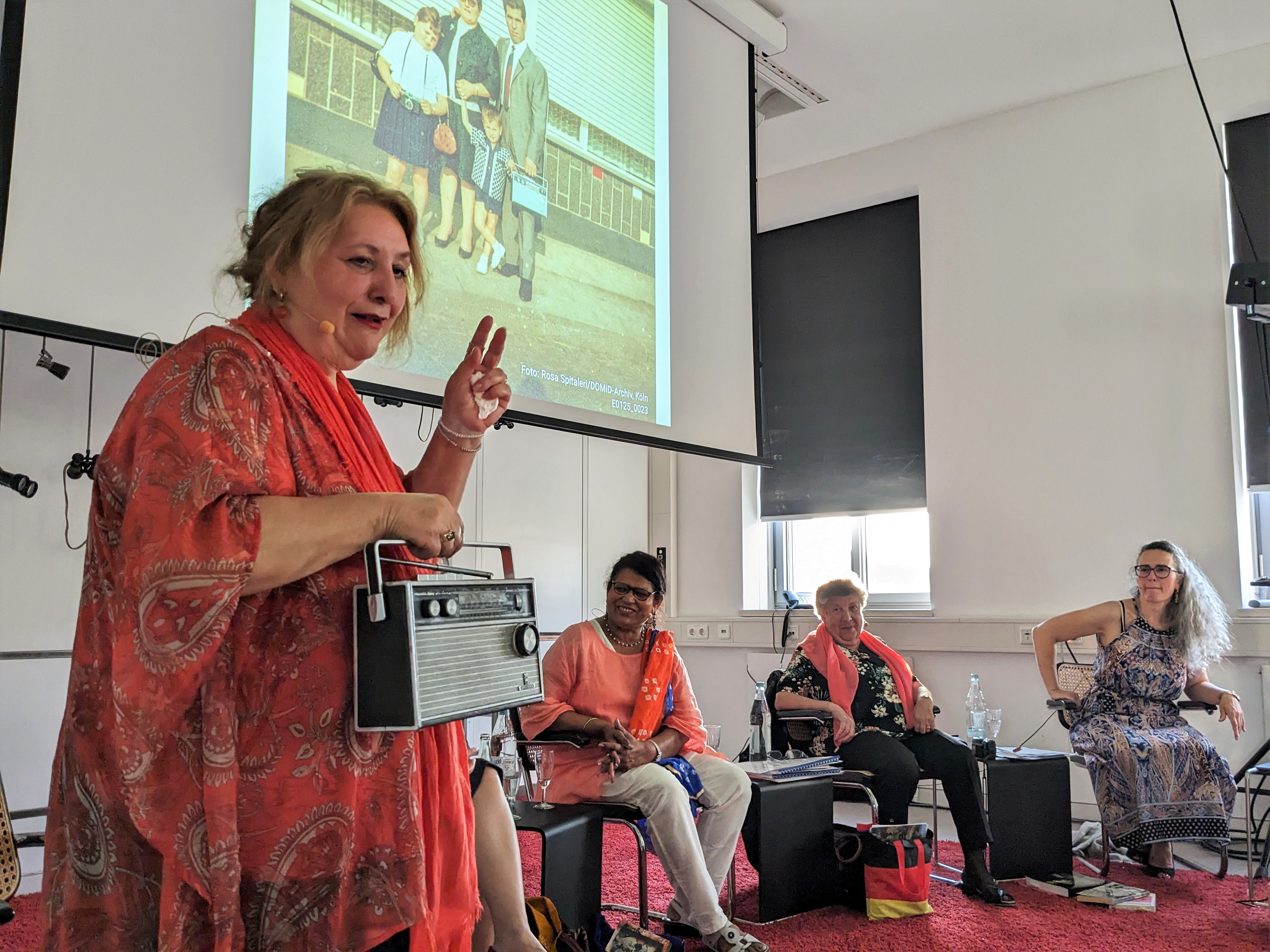
Lerato Shadi. Batho ba ha ba Tlhalonganye 2020–2023, Neon-Sign-Installation © Courtesy the artist and blank projects, Kapstadt, Photo: dewil.ch (CC BY-NC-ND)

panel-discussion, Event, Exhibition

"We want a good life! "Guest workers" between work, love and poetry"

Give us the good life! "Guest workers" between work, love and poetry

"Guest workers" in the Federal Republic of Germany, "contract workers" in the GDR: they worked, went on strike, lived, loved. They set out in search of the good life - sometimes with family, sometimes alone.

But what exactly was everyday life like for these courageous women? How did they live? What were their working conditions like? What did they do in their free time? Through stories, photos, documents and music, we want to talk to the migrant women of that time about work and resistance, about leisure, love and poetry. Visitors are invited to bring their own mementos.

Auf dem Podium

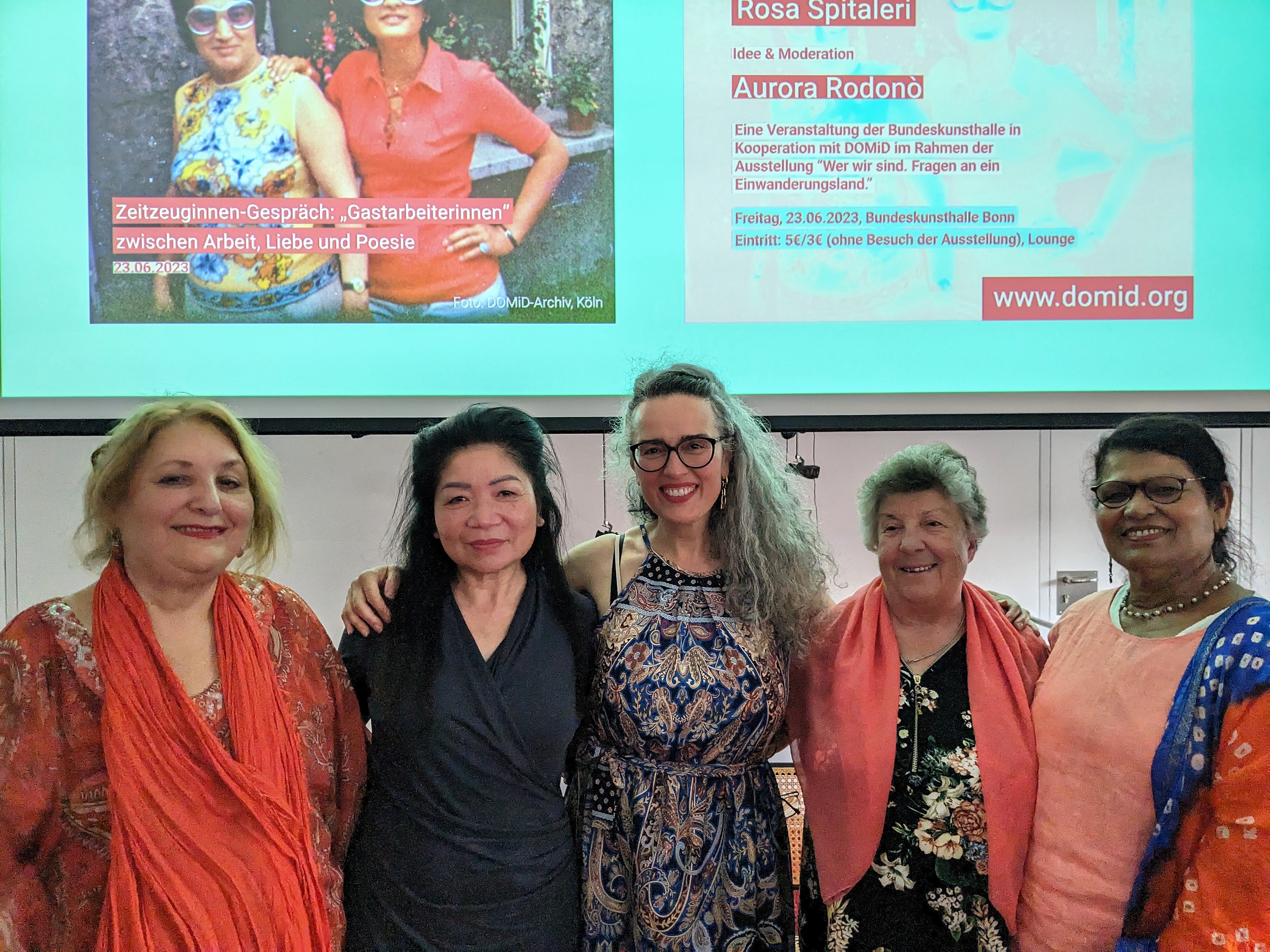
#1 Mai Phương Kollath

Mai-Phuong Kollath was born in 1963 in Hanoi, Vietnam. Mai-Phuong Kollath came to Rostock as a contract worker at the age of eighteen. She experienced the precarious and regimented living and working conditions of the workers. In 1992, the dormitory in Rostock-Lichtenhagen, where Kollath lived for a long time, burned down. Since then, she has been involved with the association "Diên Hông - Together under One Roof" to campaign against racism and for an affected-centered memory in Rostock. Kollath now lives and works as a coach, intercultural consultant and performer in Berlin.

#2 Veronica Oommen

Veronica Oommen came to Germany from India at the age of 18 and has stayed until today. Among hundreds of applicants, the archbishop of her hometown chose her and five other girls.

She got permission from her parents because Germany is a Christian country. She worked as a nurse, among other things. She is now employed as a social worker in the diocese of Cologne, where she advises migrants.

#3 Asimina Paradissa

Asimina Paradissa was born in Vrasta, Chalkidiki, Greece. Her parents worked seasonally as farmers or charcoal burners. As a girl she embroidered for money, 1000 stitches gave three drachmas. Later she worked in road construction and in a quarry. When she came to Germany, she did not find the work difficult. She made typewriters at the Olympia company in Wilhelmshaven. She bought herself one with a Greek keyboard and began to write poetry. She composed her poems in her head while working on the assembly line and later wrote them down.

#4 Rosa Spitaleri

Rosa Spitaleri came to Cologne from Sicily at the end of the 1960s as an eight-year-old. Her parents had gone ahead in 1964, leaving Rosa and her brother Vincenzo with relatives. After all, they only wanted to stay in Germany for a few years, earn money and then return to Sicily. But they stayed, and Rosa and Vincenzo completed their studies in Germany. Today she works as a social worker for Caritas, enjoys reading and writing poetry.

A moderated conversation with contemporary witnesses as part of the exhibition "Who We Are. Reflecting a Country of Immigration."

Idea & moderation: Aurora Rodonò.

Admission: 5€/3€ (without visit to the exhibition)
Start: 19h

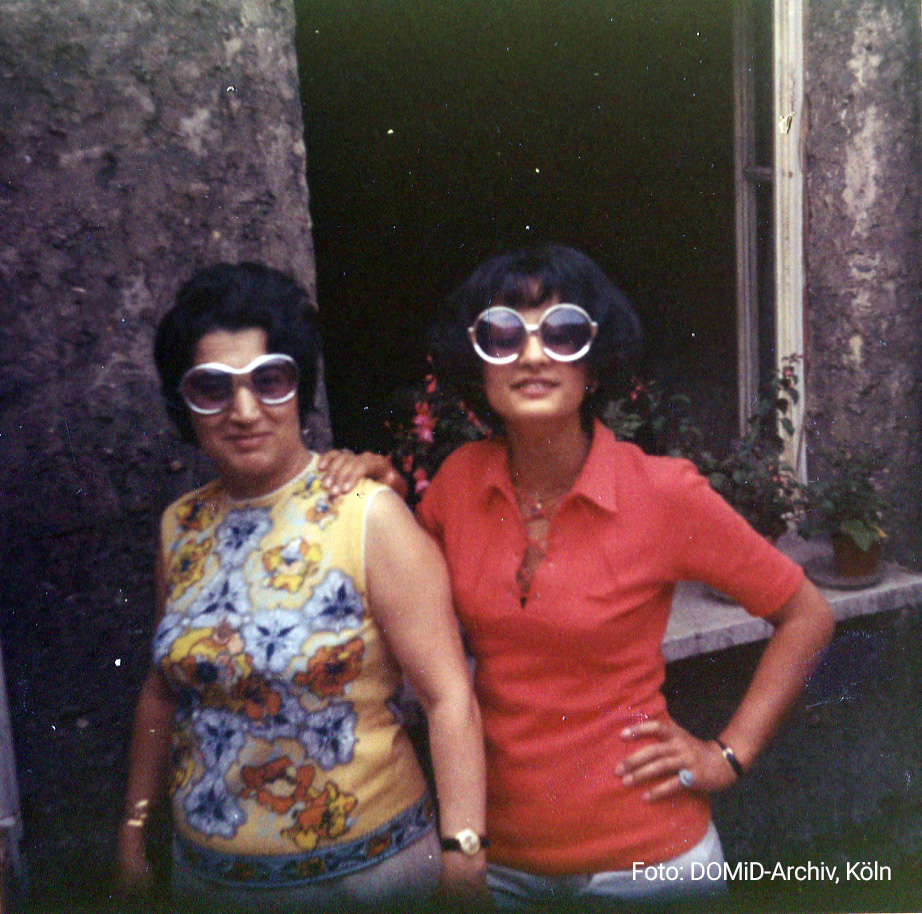
Photo: DOMiD-Archive, Cologne

Tickets

Media coverage (selection)

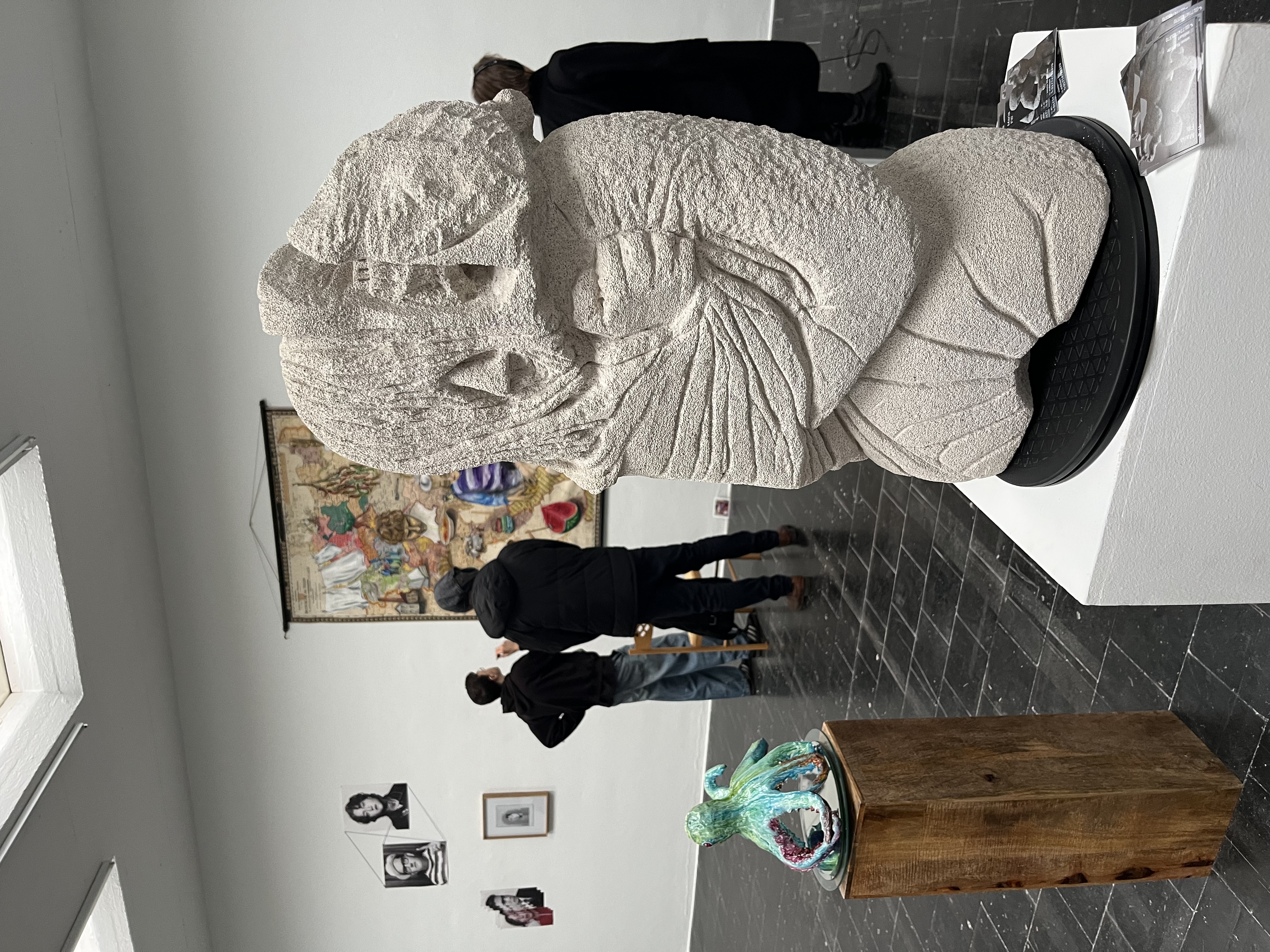
  • View of the exhibition ‘Makkaroni Settanta – Esperimento collettivo’. Photo: Maria Segat

    News, Exhibition, Event

    „Makkaroni Settanta – Esperimento collettivo“: Exhibition enters its final weekend

    07 December 2025 – 11 January 2026

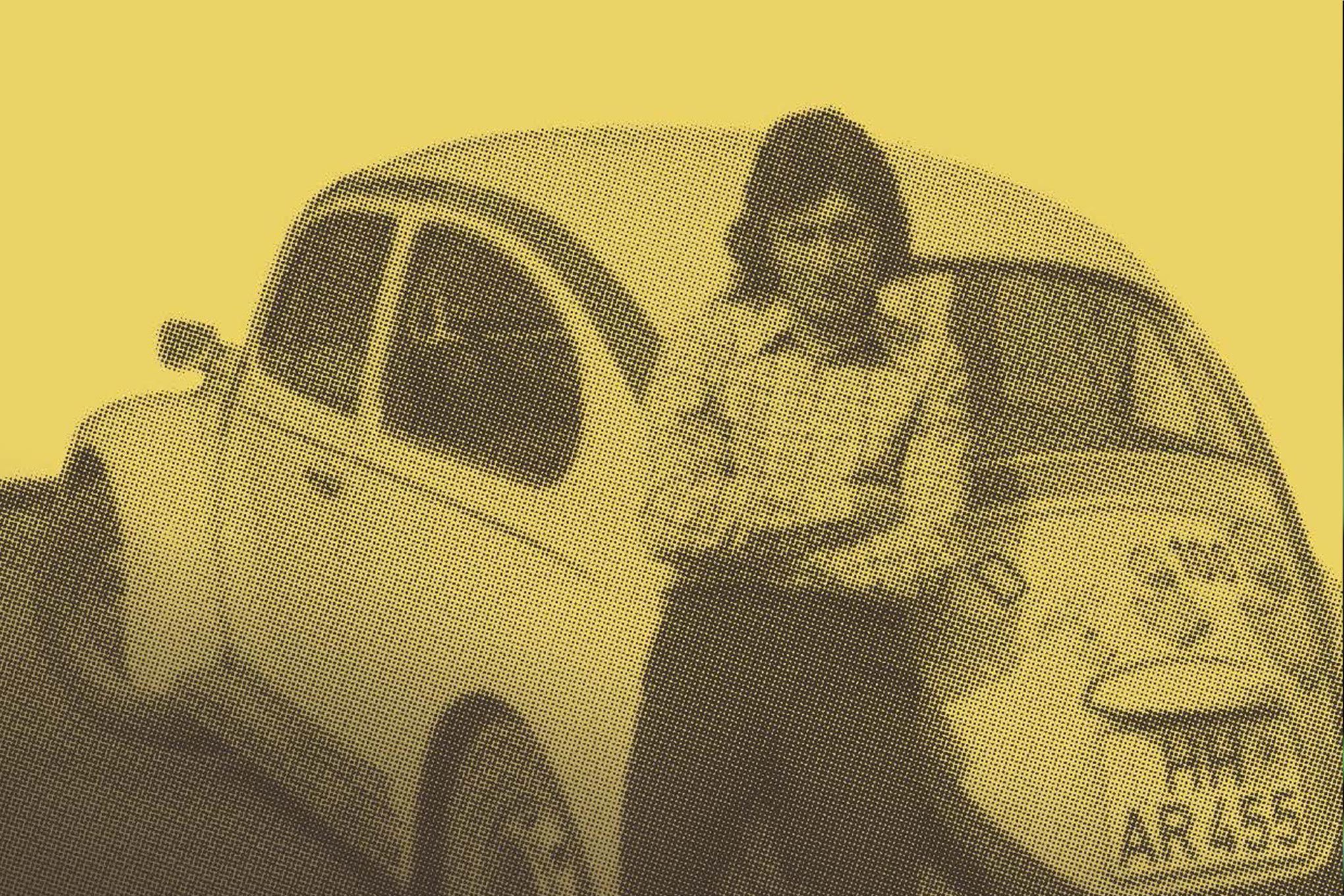
    Seventy years ago, Italy and the Federal Republic of Germany signed the recruitment agreement that heralded the era of ‘guest workers’. Our cooperation partner Makkaroni Akademie is hosting an exhibition on this topic in Cologne until 11 January.
    More …

  • Exhibition, News

    The millionth. Of people and thwarted plans

    To mark International Museum Day, we are today presenting our online exhibition ‘The millionth. Of people and thwarted plans’. The theme of the exhibition is how plans were thwarted by unforeseeable events.

    More …

Back to top