
News, Museum construction, Migration museum
The Museum Selma needs a new location
The Museum Selma will not be built at its planned location on the Hallen Kalk site. This is due to the huge rise in construction costs in Germany. One way of still bringing the museum to fruition is to consider a new location: the cultural centre at Neumarkt in Cologne city centre. Cologne City Council is due to discuss the matter later this week.
Unprecedented rises in construction costs in Germany have been posing challenges to private and public building projects for years: now they affect the Museum Selma, too.
Following expert reports and plannings, the construction of the national migration museum at the intended site in Cologne-Kalk cannot be realised within the existing budget. In addition to the skyrocketing construction costs, the condition of the hall intended to house the museum also plays a role: the former industrial hall on the Hallen Kalk site would require much more extensive renovation than had to be anticipated.
‘Using taxpayers' money responsibly’
Given the current price rises, this would mean that the entire budget for the museum building would have to be diverted to the renovation of the hall. No funds would remain for the construction of the Museum Selma. None of the funding bodies could cover the estimated additional costs of 33 million euros due to the tight budgetary situation.
“DOMiD handles taxpayers’ money responsibly and must therefore pull the ripcord,” explains Robert Fuchs, Managing Director of DOMiD, the organisation behind the Museum Selma. “We would have loved to open the museum in Cologne-Kalk and support the cultural development of the Osthof Kalk with our presence on the ground. We regret that we cannot continue the good neighbourly relations we have built up with local stakeholders and remain committed to the jointly developed vision for the site.”
Update, 20.03.2026
At its meeting on Thursday, March 19, 2026, the Cologne City Council discussed a potential new location for our museum. The result: The Council has tasked the City of Cologne’s administration with examining the possibility of integrating our museum into the cultural center at Neumarkt. At the same time, it was decided that prospects must be created for the Hallen Kalk site and the Kalk district in general.
What does this decision mean for Museum Selma? A new location for our museum has not yet been found. The City of Cologne and our museum’s governing body, DOMiD, can now examine the new potential location and work with all stakeholders to find a solution for the cultural center at Neumarkt that offers benefits for all parties.
We welcome the decision by the Cologne City Council, which allows us and the city to pursue this path toward realizing our museum. We are very pleased that the Kalk district, and the Hallen Kalk site in particular, remain a political priority. We stand by the vision for the site developed jointly with the Osthof Community of Responsibility and would have liked to support it through our presence on-site.
We are now looking ahead. The most important thing for us is that the Museum Selma will continue.
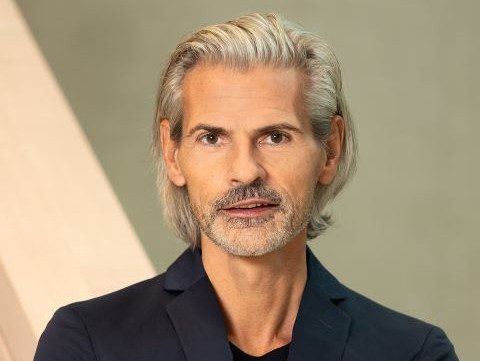
Stefan Charles, Head of the Culture Department for the City of Cologne
“A museum dedicated to migration is a perfect fit for the heart of our cosmopolitan city, which has been shaped by migration. At the same time, we see great potential to further strengthen the cultural quarter at Neumarkt, with its museums, the city library and the Volkshochschule.”
Photo credit: Rheinisches Bildarchiv (Michael Albers)
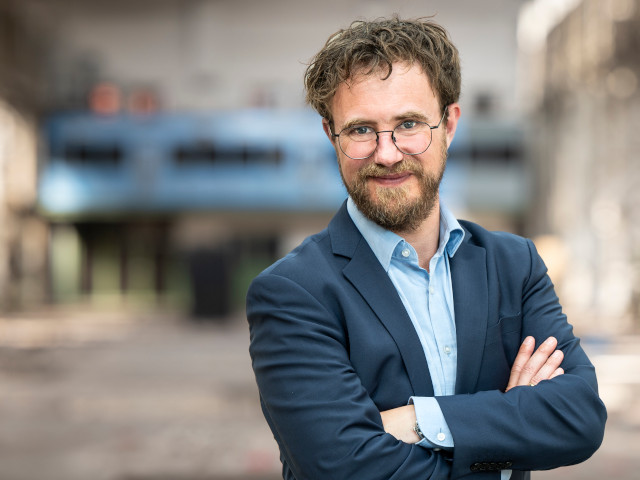
Robert Fuchs, Geschäftsführer DOMiD
„Wir hätten das Museum gerne in Kalk eröffnet und auf dem Hallen Kalk Areal einen Impuls für den Stadtteil gesetzt. Die Entscheidung, den Standort Kalk aufzugeben, haben wir uns alles andere als leicht gemacht. Wir hätten die kulturelle Weiterentwicklung des Osthofs Kalk gerne weiter unterstützt und bedauern, dass wir die gute Nachbarschaft, die wir mit den Aktiven vor Ort aufgebaut haben, nicht fortführen können. Gleichzeitig bleiben wir überzeugt von der gemeinsam erarbeiteten Vision einer gemeinwohlorientierten Entwicklung des Osthof-Areals.
Umso glücklicher sind wir über das Angebot der Stadt Köln, die Integration unseres Museums in das Kulturzentrum am Neumarkt zu prüfen. In einer Zusammenarbeit mit den anderen kulturellen Einrichtungen vor Ort sehen wir eine große Chance für alle Seiten.“
Bildnachweis: Dörthe Boxberg
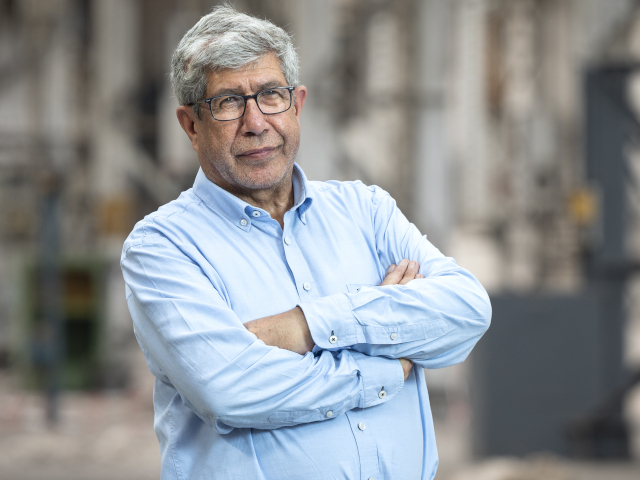
Ahmet Sezer, co-founder and board member of DOMiD
“We are grateful for the continuous political support in establishing a museum that adequately represents our migrant society. Thirty-five years ago, our dream began: to enrich Germany’s history with the perspectives of the people who have immigrated here. Given the current rise of anti-migrant and anti-democratic forces, it is all the more important to tell the history of this country through a multitude of voices.”
Photo credit: Dörthe Boxberg